

eov wellness project
Inspired by Harvard-Trained
Medical Education
Guided by Harvard-trained medical expertise, the EOV Wellness Project aimed to translate evidence-based practices into simple tools for everyday wellbeing.
The EOV Wellness Project was created by Robert Sutherland in collaboration with Dr. Chris Stewart-Patterson, an occupational medicine specialist and Harvard-trained medical educator. Drawing on his experience as a course director at Harvard Medical School and his training through the Harvard Macy Institute and the Harvard School of Public Health, Dr. Stewart-Patterson developed a research-informed blueprint designed to make evidence-based wellbeing practices accessible to a wider audience.At a time when levels of stress, burnout, and anxiety are rising globally, the project set out to translate core pillars of lifestyle medicine—movement, restorative sleep, emotional regulation, and meaningful connection—into practical, human-centered tools that could support both physical and mental wellness.Although the platform was ultimately discontinued for financial reasons, the collaboration remains an important part of my practice as a filmmaker: a demonstration that rigorous medical insight and poetic visual storytelling can come together to help people live with greater clarity, balance, and wellbeing.Across six years of collaboration with Robert Sutherland and Dr. Chris Stewart-Patterson, I led the creative development of an eight-chapter wellbeing program—assembling the team and directing, filming, and editing the series from concept to completion.
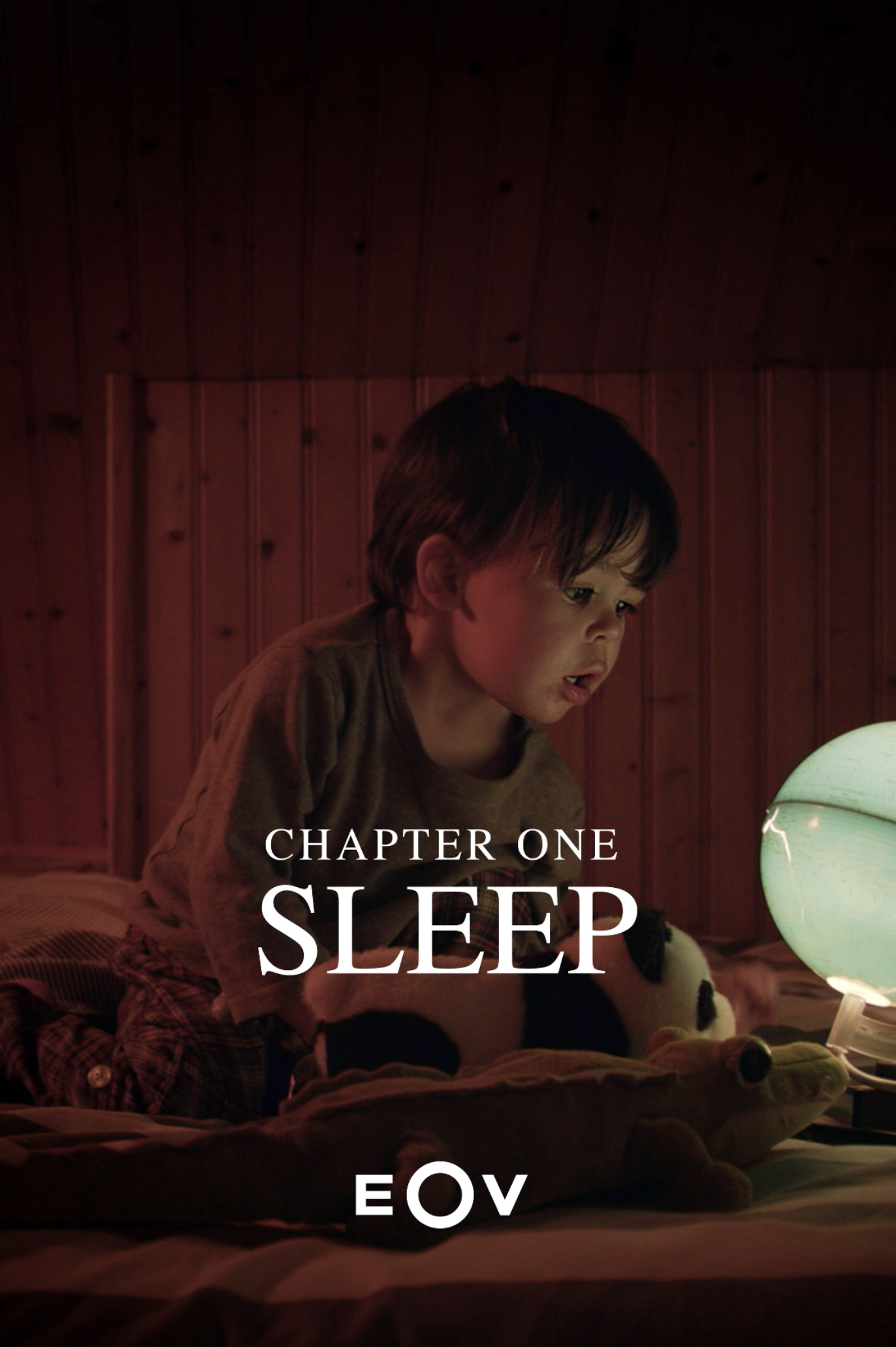
Excerpt one: Sleep
Sleep is one of the most central things to human beings – it’s part of an ancient inescapable rhythm and a key part of wellness. But like many of the simplest things in the world, it can be incredibly hard to do. We’ll share some achievable sleep tips we’ve studied to help you build a better sleep map for yourself.


Excerpt two: excersice
Most medical experts agree that exercise is by far the single most effective way to combat the long-term effects of chronic stress. Yet most people have the feeling that their fitness goals are unattainable, and they end up not doing anything at all. Well, the good news is that you might be surprised at how little exercise you can do while still doing your body and mind huge favours.
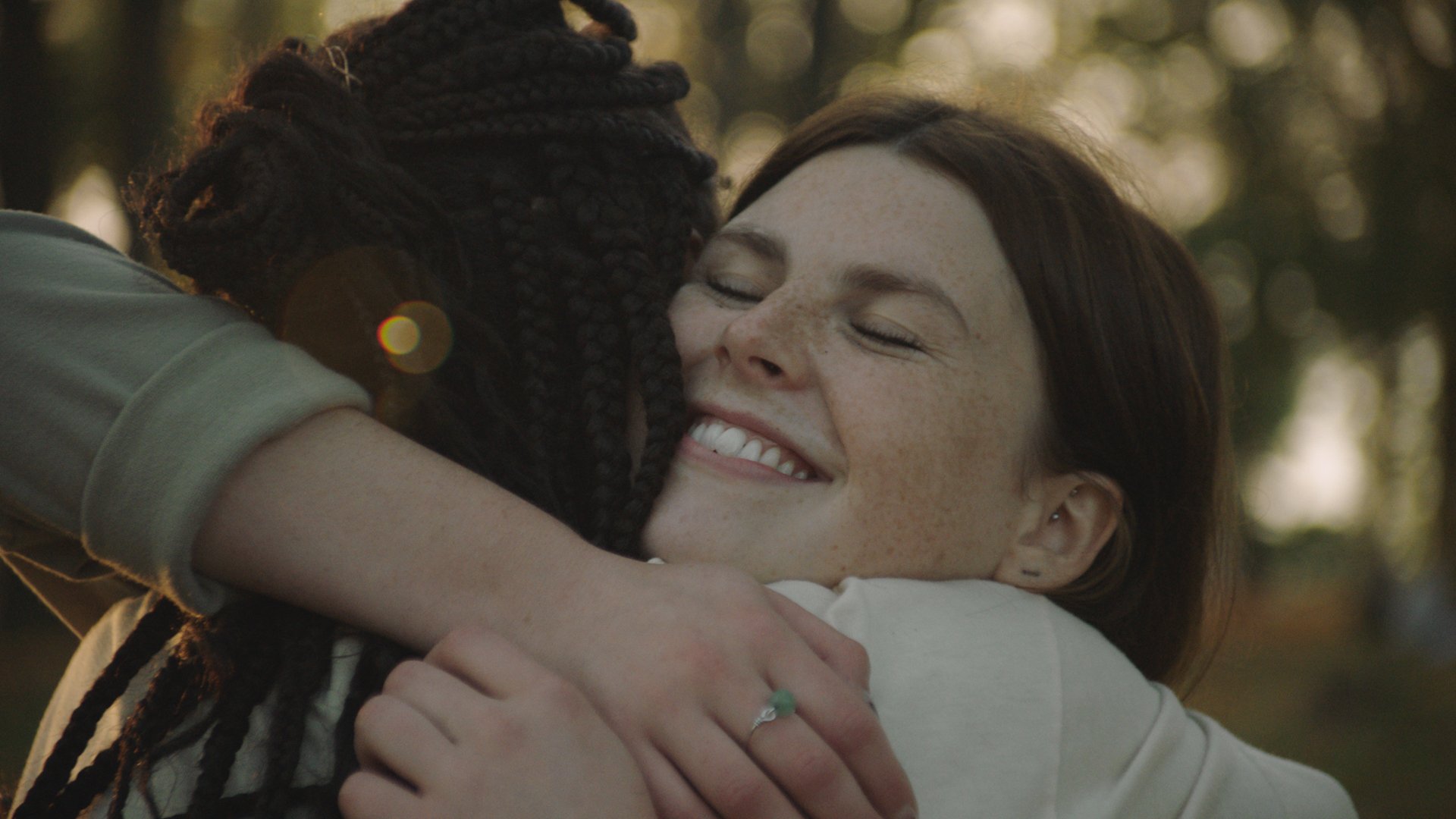
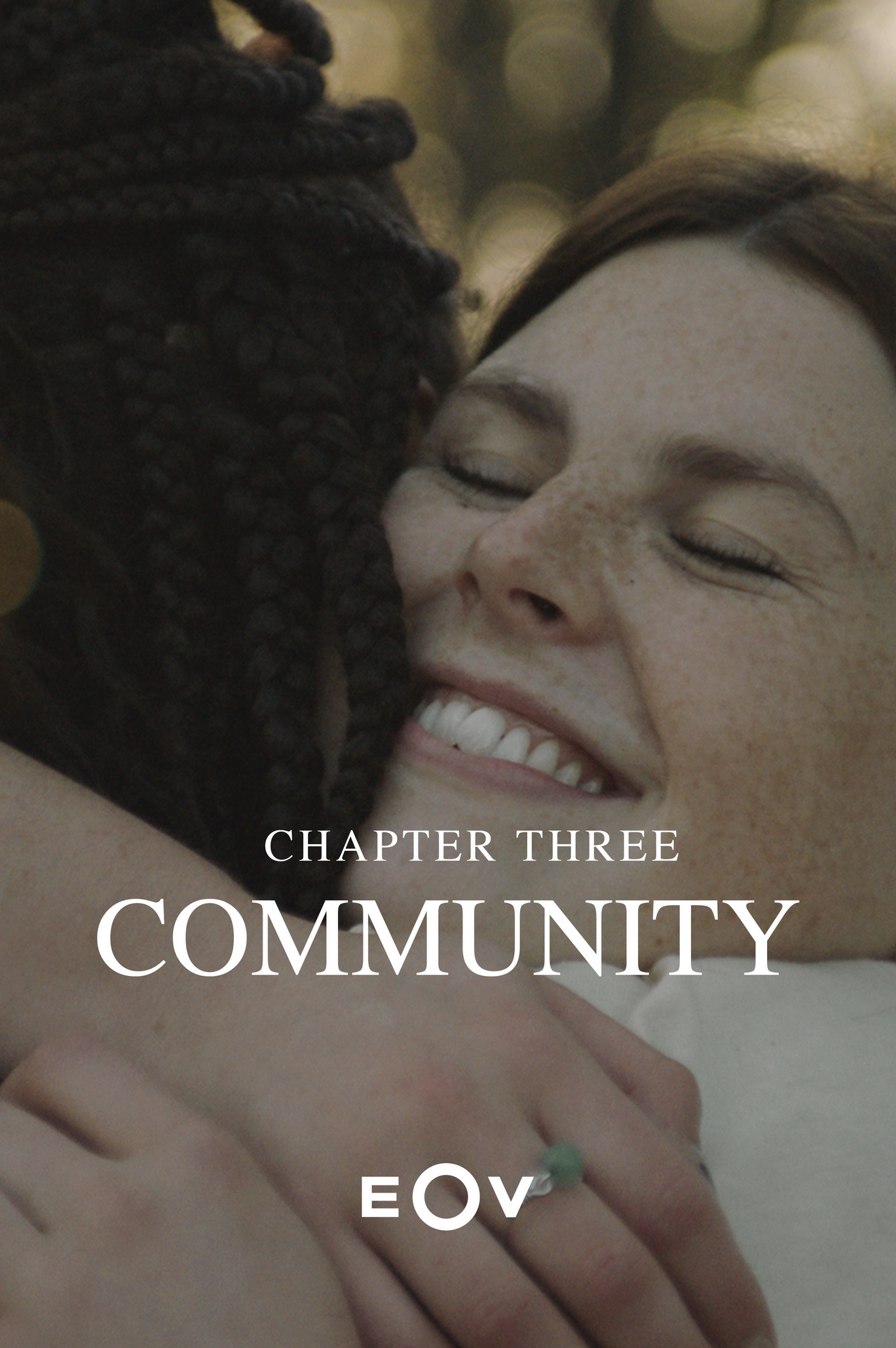
Excerpt three: Community
The role of community is often overlooked or underestimated when we talk about health. But scientific studies increasingly show that close human bonds protect people from life’s discontents, and even help to delay mental and physical decline. We offer advice on some ways in which you can build a good foundation for a healthy community around you.
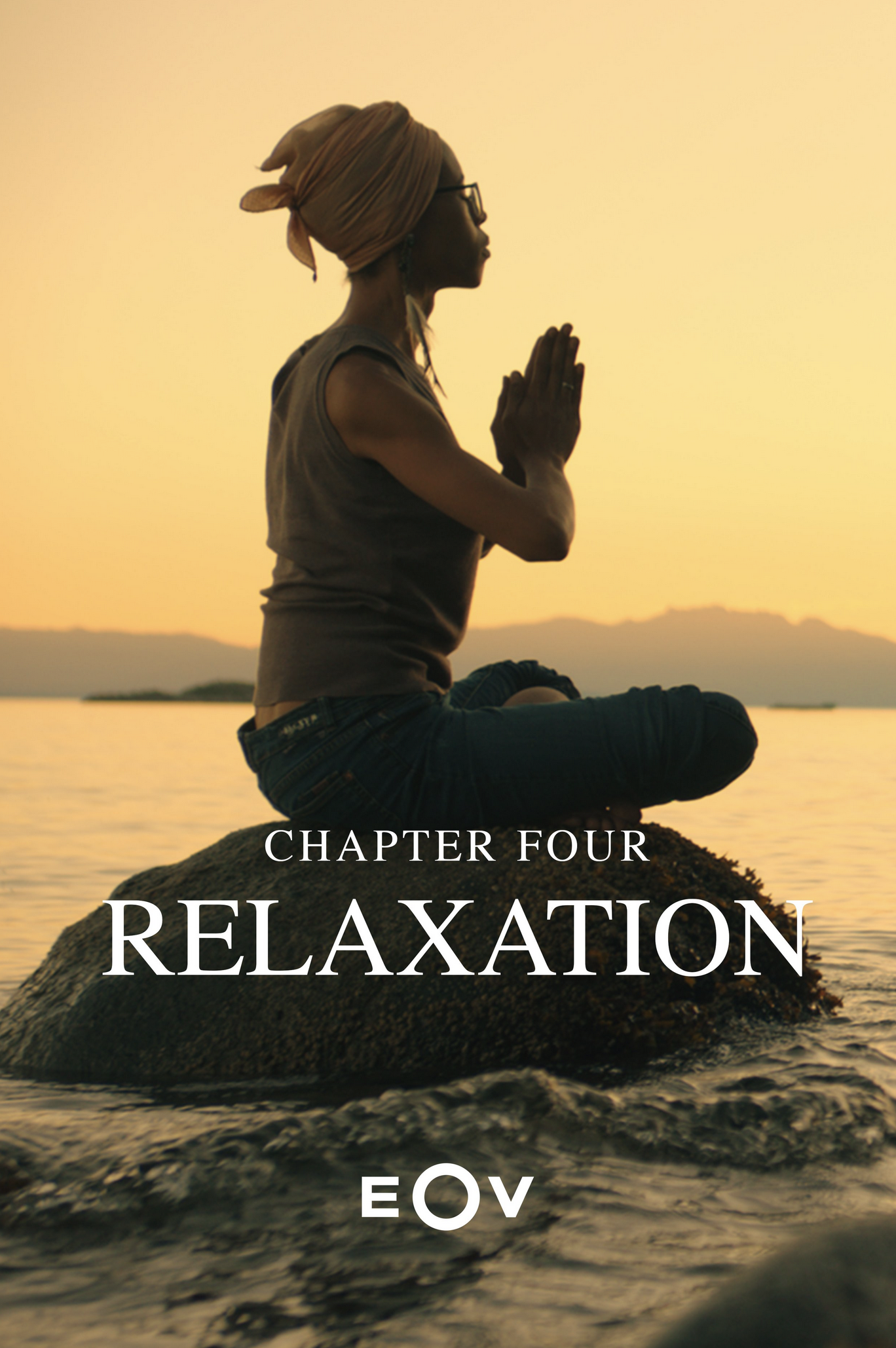
Excerpt four: relaxation
The state of relaxation is one of the most rewarding and also the hardest for human beings to attain, ironically because it asks that we stop doing so much. We provide relaxation techniques such as mindfulness meditation and the Relaxation Response.

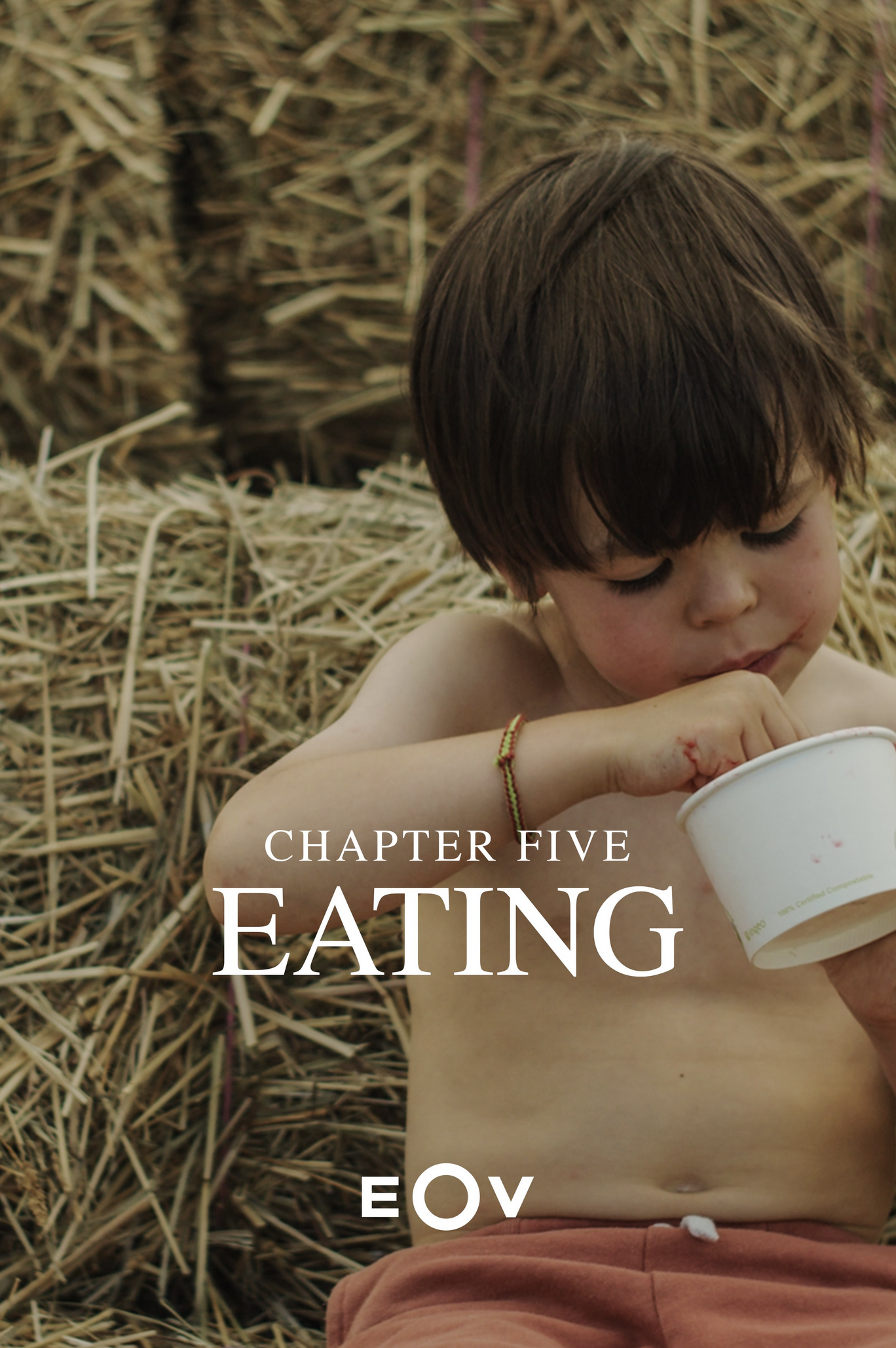
Excerpt five: eating
Most people know the saying “you are what you eat”. Physiologically speaking, this is literally true.
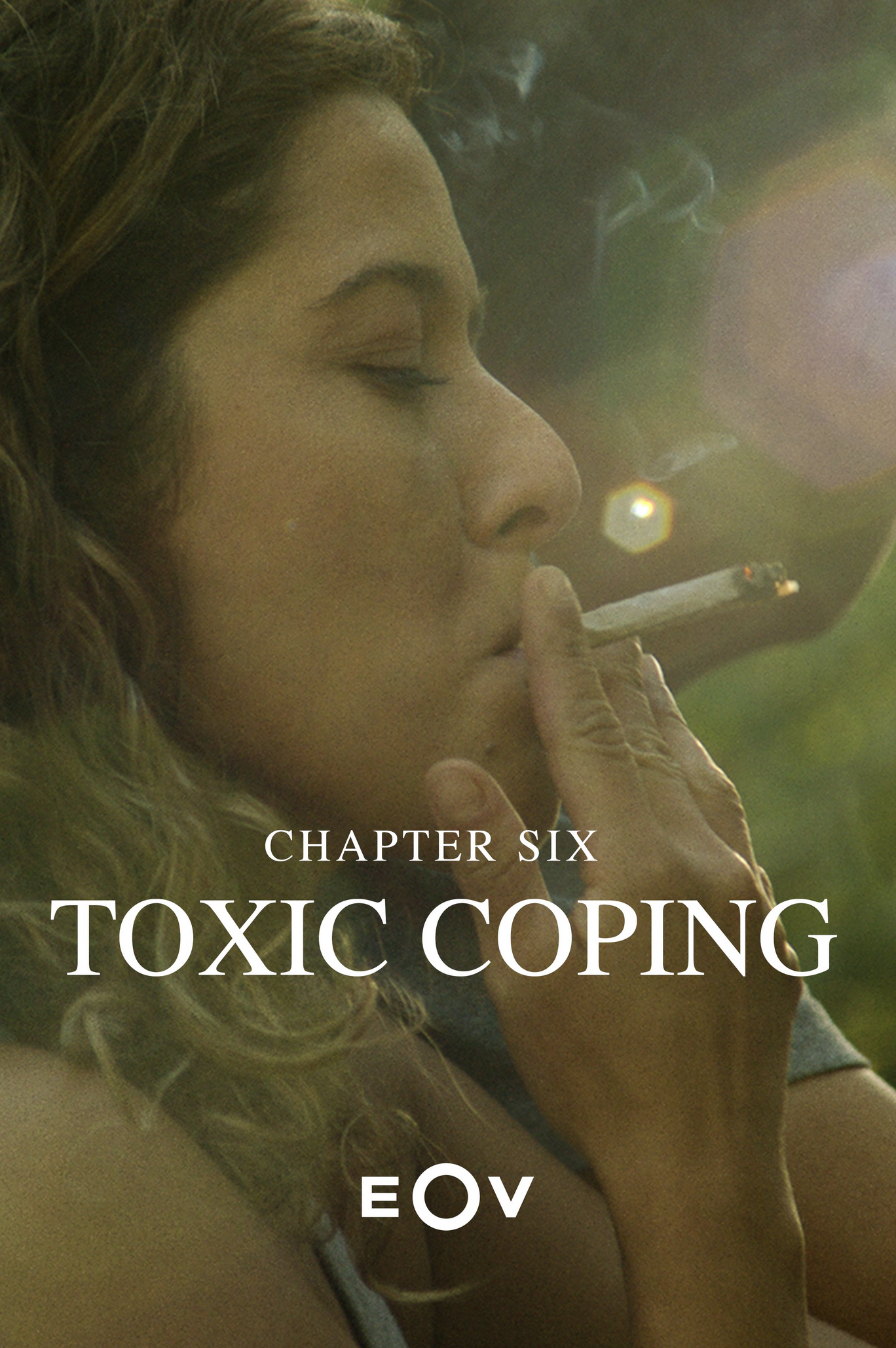
Excerpt six: toxic coping
Toxic coping is when you take a possibly unhealthy short term measure to deal with stress, even if it isn’t going to help the long term.